The Decline of Practical Intelligence and Social Awareness in Sri Lanka
Introduction
Nutrition and Mental Development
From childhood onward, the human brain and nervous system require proper nutrition for healthy development. When people fail to obtain balanced nutrition over long periods, especially sufficient protein and natural foods, mental development and practical thinking ability may become weaker. A poorly nourished population may gradually experience reduced practical intelligence, weak critical thinking ability, poor decision-making skills, reduced social awareness, and emotional instability. As a result, many individuals may struggle to understand situations properly or respond appropriately according to circumstances.

Chemical Food Consumption and Health
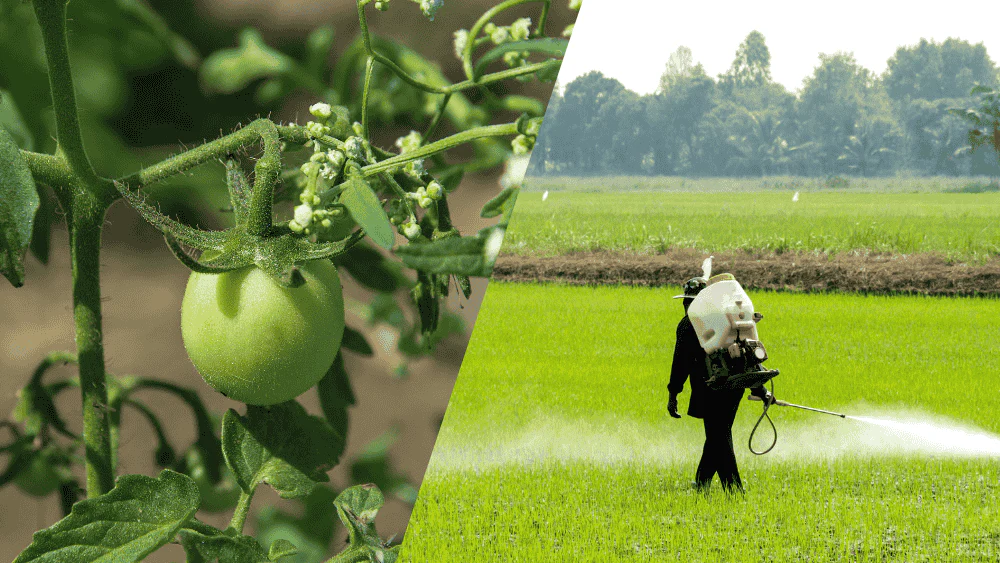
Another major concern is the excessive consumption of foods exposed to artificial chemicals and toxic substances. Vegetables treated with pesticides, chemically produced chicken, and other artificially processed foods are increasingly becoming part of daily life. Continuous exposure to such foods may negatively affect physical health, brain function, nervous system stability, mental clarity, and human behavior. When both nutrition and environmental health decline together, the overall mental and social condition of a society may also weaken.
Weak Social Awareness and Easy Manipulation

Failure to Understand Healthy Organic Concepts
Healthy organic agricultural concepts that could improve both public health and national development are often not properly understood or appreciated. Many people fail to recognize that natural food systems can improve long-term health, reduced chemical exposure benefits society, healthy soil and healthy food contribute to healthier populations, and sustainable agriculture can strengthen the nation economically and socially. Even hardworking individuals who attempt to introduce productive or healthier systems may receive criticism rather than support.
Social Attitudes Toward Work and Innovation
Another major issue is the attitude toward hardworking individuals. In many situations, people who genuinely work hard or attempt to create positive change may be treated negatively, criticized, or unfairly labeled. Meanwhile, individuals who contribute little may avoid criticism and appear socially accepted. Such attitudes discourage innovation, productivity, research, development, and honest work. As a result, national progress becomes slower and more difficult.
Conclusion
The decline of practical intelligence, social awareness, and healthy decision-making within society may be connected to long-term nutritional problems, unhealthy food systems, chemical exposure, and weak understanding of sustainable living concepts. Without improving nutrition, food quality, social awareness, and practical thinking, it becomes difficult for a country to achieve healthy long-term development. A healthier society requires not only education, but also proper nutrition, ethical thinking, practical intelligence, and the ability to recognize genuinely beneficial systems for both people and the nation.